Clear Your Drains, Transform Your Life: The Critical Need of Regular Drain Cleaning Services
Blocked drains can interrupt everyday routines and result in expensive fixes. Consistent drain cleaning solutions perform a critical part in sustaining household plumbing wellness. They not only prevent backups but also mitigate risks associated with mold and bacteria. Property owners frequently miss the indicators that signal cleaning is necessary. Comprehending these warnings and the significance of specialized services can substantially influence household care. What factors should property owners evaluate prior to booking their upcoming appointment?
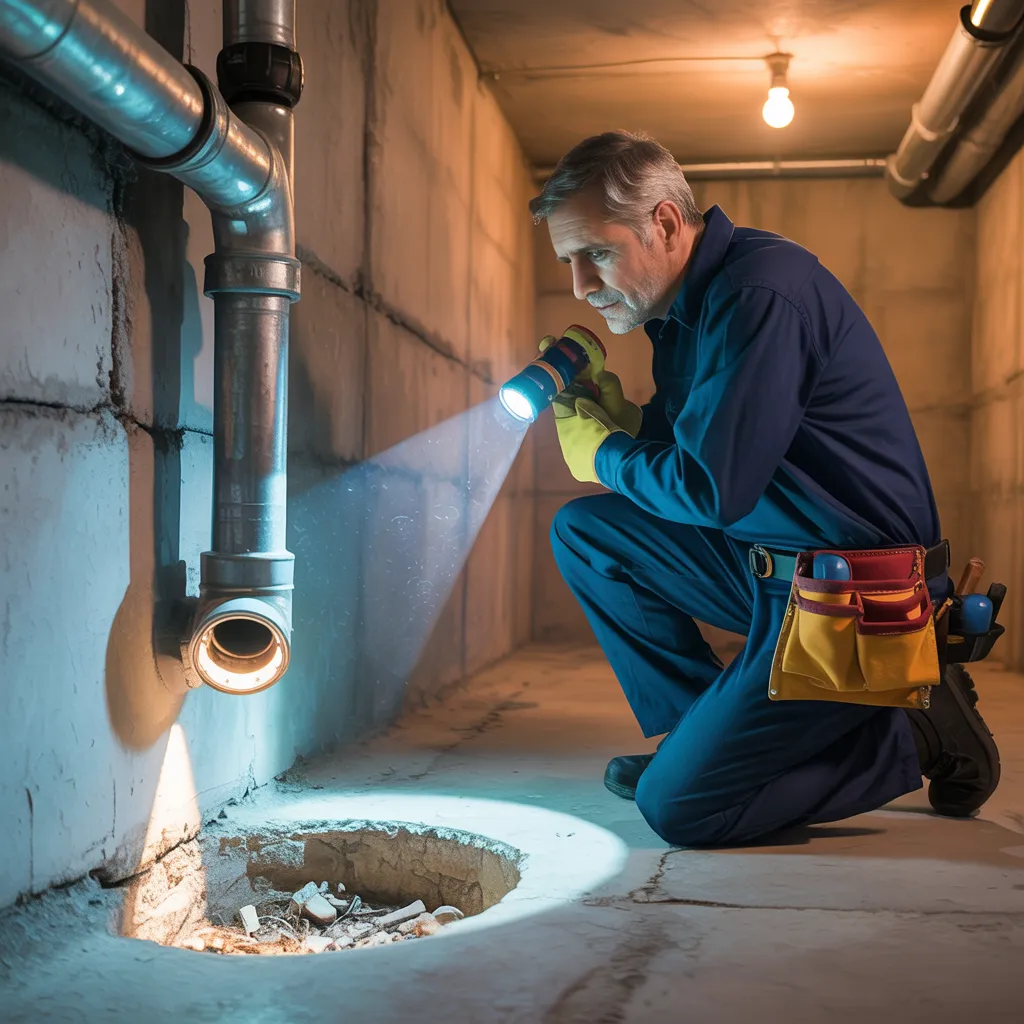
Why Routine Drain Cleaning Is Crucial for Your Home
Although many house owners could disregard the value of regular drain cleaning, neglecting this important maintenance task can bring about major problems. Blocked drains may lead to water backups, creating damage to plumbing systems and potential flooding. Over time, deposits from debris, grease, and soap can impede water flow, creating an environment conducive to mold and bacteria growth.
Regular drain cleaning not only prevents clogs but also prolongs the lifespan of plumbing systems. It guarantees that waste flows smoothly, reducing the risk of costly repairs. Moreover, clean drains contribute to a healthier home environment by minimizing unpleasant odors and potential health hazards related to stagnant water. For these reasons, investing in regular drain cleaning can save homeowners from the stress and expense of emergency plumbing issues, ultimately ensuring peace of mind and a well-maintained home.
Tell-Tale Signs Your Drains Require Cleaning Immediately
Homeowners should be attentive to various critical signs that reveal their drains require urgent cleaning. Delayed water drainage, bad odors, and persistent blockages are typical indicators that can point to hidden problems. Dealing with these symptoms in a timely manner can help avoid additional problems and preserve a healthy plumbing system.
Water Draining Slowly
Water draining at a sluggish pace from showers, sinks, or tubs typically suggests an urgent need for specialized drainage cleaning services. This problem typically arises from a buildup of residue, such as hair, soap residue, or food particles, impeding the regular flow of water. Property owners may begin to notice the situation when water takes longer than usual to disappear, signaling that the drainage system is experiencing difficulty. When ignored, poor water flow can develop into more severe clogs, resulting in potential damage and costly repairs. Routine checks can help catch these problems early, allowing for prompt solutions. Ultimately, identifying the signs of slow draining water is essential for maintaining the general condition of drainage systems and maintaining a properly working home environment.
Offensive Smells Arising
Unpleasant odors emanating from drains can be a obvious indicator that specialized cleaning services are warranted. These disagreeable scents often suggest the collection of decomposing substances, grease, or other debris caught in the plumbing system. When these substances begin to decompose, they release offensive vapors that fill the air, establishing an uncomfortable environment. Homeowners may notice these odors particularly in kitchens and bathrooms, where edible debris and sanitation materials accumulate. Disregarding these signs can lead to more severe plumbing issues, including blockages and leaks. Routine drain cleaning not only removes these odors but also encourages better hygiene and optimal operation of the plumbing system. Dealing with unpleasant smells immediately can avert further complications and assure a cleaner home environment.
Regular Clogs Occurring Regularly
Frequent clogs can signal a pressing need for drain cleaning services. Residents commonly encounter persistent obstructions that disturb normal routines and create irritation. Such clogs may develop from deposits of hair, grease, food scraps, or foreign materials restricting the pipes. Disregarding these problems may generate more significant pipe issues, such as leakage or entire system blockages. Homeowners ought to notice gradual draining or gurgling sounds, as these are frequent warnings that systems require urgent care. Consistent professional service can thoroughly clear accumulations and stop upcoming obstructions, securing proper drainage and sustaining the complete wellness of pipe networks. Acting on these symptoms rapidly can shield house occupants from costly corrections down the road.
Primary Advantages of Employing Professional Drain Cleaning Services
Employing professional drain cleaning services presents notable benefits for homeowners. By tackling potential plumbing issues early, these services assist in stop costly repairs down the line. Moreover, maintaining clean drains promotes improved hygiene standards within the home.
Stop Pricey Plumbing Concerns
Many homeowners underestimate the value of regular drain maintenance, often leading to substantial plumbing problems down the line. When drains are ignored, minor clogs can progress into major blockages, bringing about costly repairs and significant damage. Professional drain cleaning services can discover and tackle potential problems before they escalate, shielding homeowners from the financial burden of emergency plumbing services. These experts use specialized tools and techniques to confirm drains are clear and functioning properly, thereby lessening the risk of leaks, backups, and other plumbing emergencies. Moreover, routine maintenance can lengthen the lifespan of plumbing systems, making it possible for homeowners to avoid premature replacements. Finally, investing in professional drain cleaning services is a proactive measure that stops expensive plumbing complications.
Improve Household Health Standards
Preserving a clean and hygienic home environment is vital for the welfare of its occupants. Professional drain cleaning services play an important role in achieving this standard. Over time, drains gather debris, grease, and organic matter, creating ideal conditions for bacteria and mold growth. By enlisting experts, homeowners can secure thorough cleaning that reaches deep into the plumbing system, eliminating hidden contaminants. Regular professional interventions not only enhance hygiene but also enhance indoor air quality, reducing health risks associated with poor sanitation. Additionally, these services prevent unpleasant odors, contributing to a more pleasant living space. Finally, investing in professional drain cleaning cultivates a healthier home, supporting the safety and comfort of all who reside within.
Is It Worth Doing Your Own Drain Cleaning?
When evaluating whether to handle drain cleaning as a DIY project, one should evaluate the potential benefits against the risks involved. On one hand, DIY drain cleaning can reduce costs and provide immediate results. Homeowners may achieve results using simple methods, such as working with a plunger or a mixture of baking soda and vinegar for minor clogs. However, the risks of pursuing this task without proper knowledge can be substantial.
Poor techniques could lead to further blockages or even damage to plumbing systems. Additionally, harsh chemical cleaners can pose health risks if not handled appropriately. For persistent or severe clogs, professional services can be more effective and safer. At the end of the day, while DIY can be tempting for minor issues, homeowners should thoughtfully evaluate their skill level and the complexity of the problem before proceeding. Making an informed decision can prevent further costs read about this and complications down the line.
How Regularly Should You Arrange Drain Cleaning?
How often should property owners think about arranging drain cleaning to ensure optimal plumbing health? Industry experts recommend performing residential drain cleaning a minimum of once yearly. This preventive strategy assists in stopping blockages and accumulation that may result in more serious plumbing problems. Homes with multiple occupants or older plumbing systems may benefit from more frequent cleanings, perhaps every six months.
Moreover, certain signs, such as sluggish sink drainage or repeated backup issues, indicate that property owners should obtain professional services sooner rather than later. Seasonal shifts can also alter drain performance; for instance, significant rainfall may necessitate additional attention to outdoor drainage systems.
Is Investing in Preventive Drain Maintenance Worthwhile?
Preventive drain maintenance is invaluable for homeowners looking to avoid costly plumbing emergencies. By scheduling periodic inspections and cleanings, residents can detect potential issues before they develop into major problems. This proactive method not only conserves money but also increases the lifespan of plumbing systems.
Clogs, buildup, and leaks are frequent problems that can interfere with daily life. Regular maintenance minimizes these risks, making certain that drains operate efficiently. Additionally, it improves the overall health of a household by decreasing the likelihood of offensive scents and unsanitary conditions stemming from stagnant water.
Allocating resources to preventive services also delivers peace of mind, knowing that qualified technicians are tracking and handling concerns in a timely manner. Ultimately, the advantages of preventive drain maintenance surpass the costs, making it a wise choice for homeowners looking to secure their plumbing systems against unanticipated challenges.
How to Pick the Right Plumbing Service for Your Drain Needs
Choosing the right plumbing service for drain needs can significantly impact the effectiveness of preventive maintenance efforts. To begin, one should seek recommendations from trusted sources, including relatives and friends, to identify reputable services. Online reviews and ratings can deliver valuable insights into customer experiences and satisfaction levels.
Following this, it is essential to check credentials. Licensed and insured plumbers not only provide compliance with local regulations but also deliver a safeguard against potential liability. Additionally, ask about the range of services available; a versatile plumbing service is more prepared to handle different drain issues.
Pricing should also be evaluated, but it must not be the exclusive determinant. Evaluating quotes from numerous providers can help identify reasonable pricing without sacrificing quality. Additionally, effective communication and prompt responses from the plumbing service can reflect their professionalism and commitment to customer satisfaction.
Frequently Asked Questions
What Are the Expenses Related to Drain Cleaning Services?
The expenses related to drain cleaning services typically range from $100 to $300, varying with factors such as the seriousness of the clog, location, and additional services requested. Homeowners should factor in these costs in their maintenance financial planning.
Is It Possible for Drain Cleaning to Prevent Future Plumbing Emergencies?
Indeed, regular drain cleaning can stop future plumbing emergencies. By eliminating buildup and obstructions, it decreases the risk of clogs, leaks, and backups, eventually prolonging the lifespan of your plumbing and guaranteeing smoother operation.
How Much Time Does a Drain Cleaning Service Usually Take?
A professional drain cleaning typically requires between 1-2 hours, depending on the extent of obstructions and the intricacy of your plumbing. Efficient technicians can often complete the task swiftly, minimizing disruption.
Can You Find Eco-Friendly Drain Cleaning Alternatives?
Green drain cleaning alternatives are accessible. These methods often utilize natural ingredients, including baking soda and vinegar, or biodegradable products, which effectively clear clogs while minimizing environmental impact and fostering safer home environments.
What Equipment Do Professionals Utilize for Drain Cleaning?
Experts generally employ tools such as drain snakes, hydro-jetters, and video inspection cameras. These devices successfully remove blockages, evaluate pipe conditions, and provide efficient drainage, supporting long-term plumbing functionality and maintenance.